2026 Building Bonuses: Home Improvement Exemptions Extended, Changes for Fixtures and Renovations
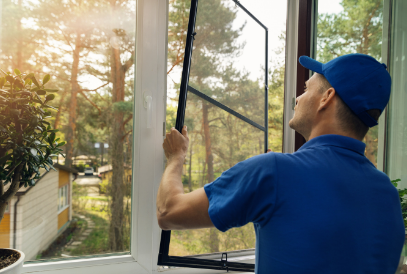
The 2026 Budget Law renews the main housing incentive package for another year: the home bonus, mosquito net bonus , eco bonus, furniture bonus, and earthquake bonus remain in effect, while the distinction between primary residence and other properties is confirmed.
The
superbonus and the
75% architectural barrier bonus are definitively excluded from the scope of the incentives.
Let's see what changes—and what doesn't—for those considering window and door renovations and energy efficiency improvements.

2026 Building Bonuses: Continuity, but only for another year
With the
2026 Budget, the Government has chosen not to overturn the existing framework, limiting itself to
extending the incentives already active in 2025 until December 31, 2026. This choice offers a certain stability in the immediate future, but continues to fail to meet the demands of businesses and families, who have long been oriented towards a
more predictable and multi-year incentive system.
No new bonuses or structural reforms are being introduced: the system remains unchanged and, once again, with a very short time horizon.
Incentives confirmed in 2026
The following will remain available throughout 2026:
- home bonus;
- eco bonus;
- earthquake bonus;
- furniture bonus.
The rates, spending limits, and methods of use remain identical to those envisaged in 2025. The main problem remains the annual duration of the extension, which makes planning complex or large-scale projects more complex.
First home and other properties: dual regime confirmed
Even in 2026, building bonuses will continue to operate on two levels of deduction:
- 50% for interventions carried out on the primary residence, provided that the taxpayer is the owner (or holder of other real rights) and is resident in the property;
- 36% for second homes and properties other than the primary residence.
This distinction also applies to major jobs such as
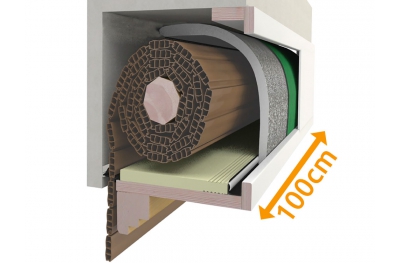
replacing fixtures and windows , installing high-performance windows and doors and, more generally, energy efficiency interventions.
Windows and doors: confirmation of the eco bonus
The replacement of windows and doors remains among the interventions eligible for the
ecobonus , provided that the technical transmittance requirements set by the legislation are met and the information is communicated to ENEA.
The deduction percentages therefore remain:
- 50% for the first home;
- 36% for other properties.
However, one key point must be reiterated:
starting in 2026, all bonuses can only be used as a ten-year IRPEF deduction . Neither the invoice discount nor the credit transfer option are available, which remain limited to very specific cases.
Furniture bonus extended, barriers permanently suspended at 75%
Among the most anticipated confirmations is the
furniture bonus , also valid for 2026. The deduction remains at 50% on a maximum expense of
5,000 euros , provided that it is connected to a building renovation project started
from 1 January 2025 .
However, they are definitively excluded from the incentive system:
- the superbonus , which ends in 2025;
- the 75% architectural barrier bonus , which from 2026 will be included in the ordinary deductions, without a dedicated rate.
Earthquake Bonus: The Few Remaining Exceptions
The
110% Earthquake Bonus hasn't disappeared entirely, but it's been limited to very limited cases. For 2026, it remains applicable
only in the areas affected by the 2009 and 2016 earthquakes , namely the municipalities in the seismic craters of Abruzzo, Lazio, Marche, and Umbria.
The benefit can be used exclusively on the
portion of expenditure exceeding the reconstruction contribution and only if:
- applications were submitted by March 30, 2024;
- you have not already benefited from the so-called "reinforced super bonus".
In these specific cases, credit transfer or invoice discounting is still permitted. For all other areas of the country, however, the standard rates of 50% and 36% will apply in 2026.
A system that holds up, but without long-term vision
The
extension of building bonuses for 2026 offers a new window for those intending to work on their homes, windows and fixtures, but confirms a now evident limitation: the
lack of a stable strategy over time .
It's therefore essential for owners to plan carefully, evaluating timeframes, technical requirements, and actual tax benefits. For the windows and doors and energy efficiency sector, 2026 will be a year of business continuity, pending clearer and more structural decisions on the future of building incentives.